当前位置:首页 > 时文闯关 > 负鼠表情包火爆出圈,读懂年轻人的生活态度
负鼠表情包火爆出圈,读懂年轻人的生活态度
中等
难度
说明文
时文类型
文娱与体育
时文话题
高中一年级
适合年级

奇速优课
时文摘要
一张负鼠望向远方的图片成为全网热门表情包。不同于此前淡然佛系的水豚形象,这只负鼠代表着一种折中生活方式:接纳压力,继续前行。年轻人不再直接倾诉烦恼,而是借助幽默图文委婉抒发情绪。本文带大家走进这款表情包走红背后的青年心声。
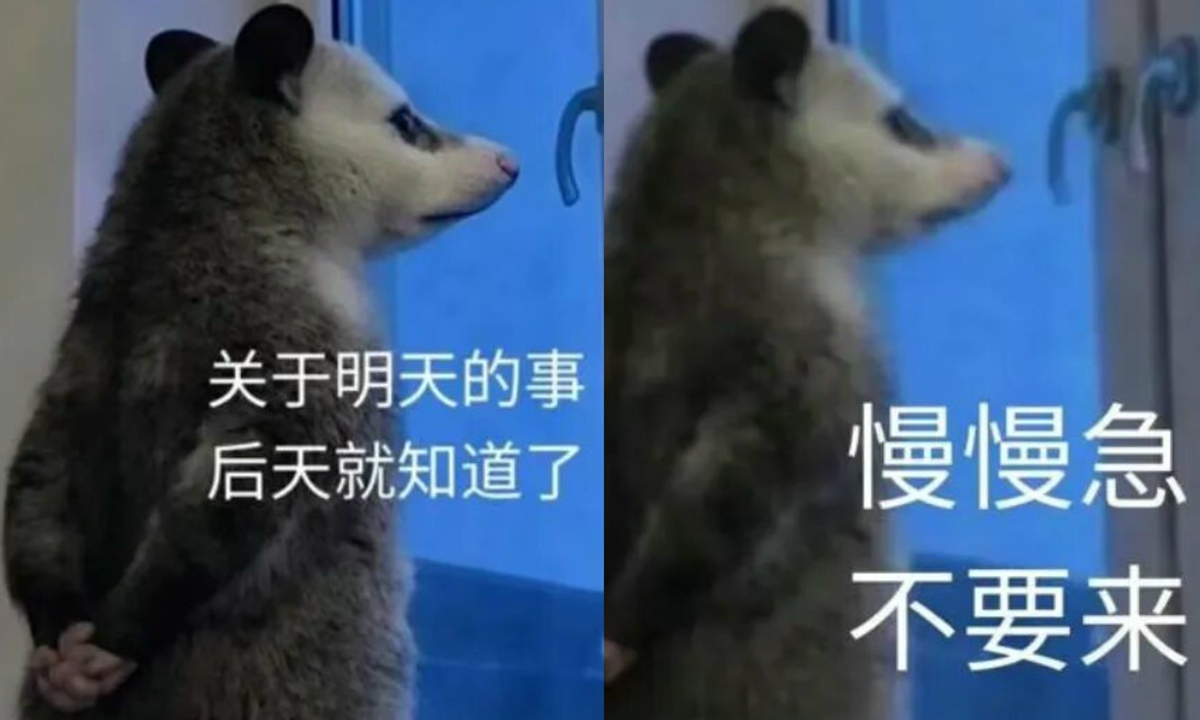
A picture of an opossum (负鼠) has recently become hugely popular online. Standing beside a window with its little paws behind its back, the animal stares far away. With relatable captions (说明文字) like “We’ll know about tomorrow’s problems the day after tomorrow”, this picture has been widely spread among young people. Many viewers feel deeply connected to its relaxed and calm look, so they treat the opossum as a symbol of real life.
Why has this meme (表情包) become so popular? The answer lies in how young people use humor to deal with daily life. Like young people everywhere, many in China are balancing school, work, relationships, and personal goals. Life doesn’t always go smoothly, and social media has become a place where they turn those moments into jokes and memes. Instead of complaining directly, they attach lighthearted captions to the opossum. By imagining what the animal might be thinking, they are really just sharing their own feelings in a fun, indirect way.
This is not the first time an animal has become an online symbol. A few years ago, the capybara (水豚) became famous for its calm and untroubled look, admired for staying cool in a busy world. The opossum, however, feels different. Unlike the capybara’s almost superpowered peacefulness, the opossum seems more ordinary. It looks quiet but aware, paused but ready to move on. This contrast may explain its appeal: it doesn’t choose between giving up and pushing hard, but suggests a middle path — acknowledging pressure and carrying on anyway.
憶 Jul 1, 2026 6:27:13 AM
Don't think about the past, don't be afraid of the future, and focus on the present
!